
- PR Agency
- for Startups
- in Israel
PR Agency for Startups in Israel: Build a Brand, Attract Investors and Talent
Who Are We?
Your Added Value
Creativity Value is an Israeli PR agency founded by a former economic journalist, with a team working in journalism and PR since 2008 across technology, finance, insurance and capital markets.
We help founders tell a clear story to investors, customers and candidates, from the first funding round onward.
What makes us unique in the Israeli tech PR business
We understand your company's product as well as an in-house product manager would >>
Our vast experience has made us an expert in external podcast interviews >>
Our professional tech content creators and advisors can meet your company needs >>
How We Are Helping Startups Grow
Brand awareness: Developing brand awareness is a crucial first step for startups, laying the groundwork for future success. Just like planting a seed, getting your name out there increases visibility and makes you recognizable to potential customers. This not only attracts new clients but also builds trust and credibility. Familiar brands are more likely to be considered over unknown competitors. But brand awareness goes beyond just customers. It’s also a magnet for investors. A well-recognized brand, from podcasts, news websits or any other media demonstrates traction and market potential, making your company a more attractive investment compared to a complete unknown. This established trust and credibility reduces risk for investors and allows for smoother communication, as they already have a foundation of knowledge about your brand. Increased brand awareness can even lead to positive media attention, further solidifying your image and attracting the attention of potential funders Thought leader: By strategically placing founders or key personnel in media outlets and industry publications, PR gets your startup’s voice in front of the right audience. Thought leadership content, like op-eds, interviews, and conference speaking engagements, allows your experts to share their unique insights and solutions to industry challenges. This establishes them as credible authorities, fostering trust and brand recognition. Ultimately, becoming a thought leader attracts potential customers who see your startup as a trusted resource, leading to increased brand loyalty and a competitive edge.How Are We Building a PR Strategy for Startups?
- Building goals: As in with any strategy in any field the first step is setting goals. Goals can range from growth in sales and leads to finding new customers in new sectors and also finding new talent or new investors. You can have all of these goals, some of them or even different ones. In any case, only once we figure out the goals can we move on to the next stage – research.
- Niche research: After understanding your goals we do a thorough market research on your niche, competitors and the media landscape. That enables us to understand much better how and where we are going to pursue those goals – what media outlets, messaging and everything else we need to know.
- Positioning and messaging: Another key goal that comes when planning the PR strategy for startups is understanding and perfecting the messaging and positioning of the brand. It’s basically trying to position your brand in a specific image and reputation.
How Do We Execute That Strategy?
- Picking the right media outlets: One very important thing is understanding what media outlets go along with the right audience for your goals. This is especially crucial in today’s media landscape where podcasts play such a big role, because each podcast will have its own audience.
- Proactive media relations: We don’t stand on the sidelines waiting for the media to cover your company, rather we proactively pitch different media outlets.
- Media training: It’s one thing to appear on interviews and podcasts and another thing to do it well. Before going into an interview or a podcast we make sure to prepare you in order to make the most out of it.
- Social media management: In today’s digital world social media is an inseparable part of PR. When trying to communicate with your current or potential prospects this is a great tool to do so. Each social media has its own merits and it all depends on the goals we set in the beginning.
- Monitoring the success: We make sure to monitor everything we do in order to see how well we did. If you’re going on a podcast it’s important to see how many views and listens it has. If an interview goes live we keep track of ratings and leads around that time. Everything regarding the goals we previously set.
PR Strategies That Can Help Startups
- Thought leadership: Thought leadership is like becoming a trusted teacher in your industry. By sharing expertise and solutions, startups gain credibility and attract customers who see them as the go-to authority.
- Reputation management: Reputation management is like constantly cleaning your online storefront. It involves monitoring reviews, addressing concerns, and promoting positive experiences. This builds trust and attracts customers who see your startup as reliable and responsive.
- Employer branding: Employer branding is like crafting your startup’s dream team magnet. By showcasing a cool culture and exciting mission, you attract top talent who are drawn to be part of something special.
They Trust Us
Among Our Clients


What Our Clients Say
“Shoham is a pro. Period. He is determined, humble and always pushing boundaries. I met him through my podcast, and the way he pitched guests was different: he took the time to understand what really fits me, and it was clear he knows his clients in depth. Making him my go-to PR person was completely natural. I warmly recommend Shoham.”
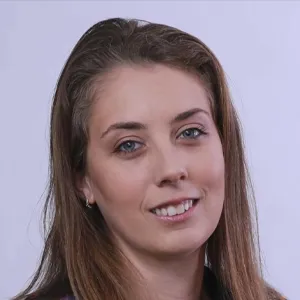
“In just three months we generated very significant exposure in the leading media outlets: Globes, TheMarker, Mako and the leading podcasts in Israel. The PR activity made a real impact on our business and we received excellent feedback.”
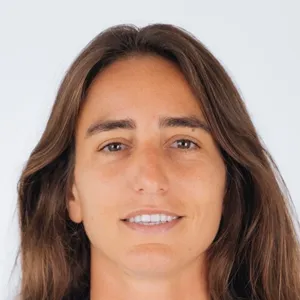
“I warmly recommend Shoham to anyone looking for professional PR in finance and technology. He truly cares about his clients before, during and after the work. His professionalism is clear from the first meeting: he studies your field and niche in depth, asks the right questions and honestly presents the pros and cons of every direction. What matters most to him is your results, and he gets the best ones possible within the budget and in the shortest time imaginable.”

“For two years we worked with Sapir and Shoham on managing our social channels. Our exposure on social media and the connection between mortgage advisors and the association grew significantly. It was a very meaningful contribution.”
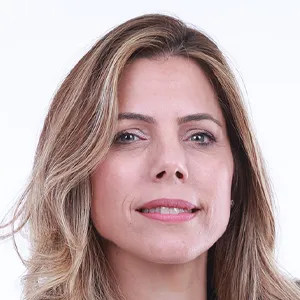
“The team created personal branding for our agents that few financial planners in Israel have. Articles in Calcalist, TheMarker and Globes positioned us as one of the leading financial planning firms in Israel. Clients read the articles, gain knowledge and value, and our brand stands out in the industry.”
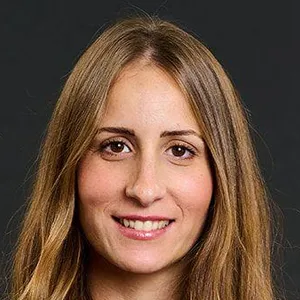
“The PR and podcast activity with Shoham and his team gave us unique branding, significant real estate deals and a great deal of value. It has made a decisive contribution to our business.”

“Shoham and his team ran an excellent PR campaign for us. We reached all the leading media outlets, including TheMarker, Globes, Walla and Ynet, with meaningful stories that made waves. One lawsuit we publicized created a real buzz in the robotic parking market and keeps bringing new clients to the firm.”
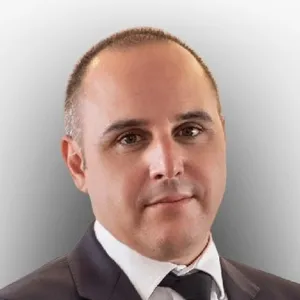
“Dikla and Shoham have led our PR for several months with initiative, precision and professional understanding, and with a great many articles and podcast interviews that strongly improved our reputation and even brought in inquiries, which we did not expect at first. We recommend working with them for their persistence and commitment to success.”
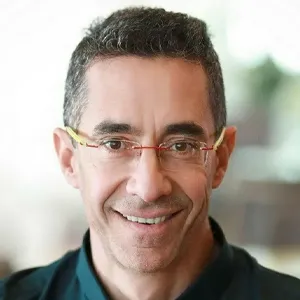
“We have been working with Shoham and his team for several months, and they are among the most professional marketing and PR teams we have worked with. Their strategic thinking and the exposure they generated for us among potential investors opened many business opportunities and put us on the map.”
TV Exposures
Where our clients have reached this past year
Yossi Freiman, CEO of Freeco, on Keshet 12
Yossi Freiman on Channel 13 News
Daniel Biton, CEO of EDI Energy, on renewables
Adv. Sinai Elias on the Business Channel
Yariv Paz on Keshet 12
Yair Tal, founder of Urbanipro, on Channel 14
Wondering how this would work for you?
A short call, no obligation: we will tell you honestly whether there is a story and where it could run
Text it Out
Written articles for our clients
were published on these websites:


Stories That Work for Startups
These are the angles we see Israeli and international reporters respond to most often in this field, and what we prepare with our clients before we pitch.
| Story angle | Why reporters care | What we prepare |
|---|---|---|
| Funding rounds | The most common startup news | Amount, investors and use of funds |
| A first major customer | Proof that the product works | Customer permission and results |
| The founder story | Reporters want people | Background and why now |
| Hiring and employer brand | Talent is scarce | Roles, numbers and culture |
Who Leads Your PR: Shoham Levy
Creativity Value is led by Shoham Levy, who has worked in Israeli financial journalism and communications since 2008. He started as a Wall Street reporter at the financial site Bizportal during the 2008 crisis, went on to report on and later edit capital markets coverage at Calcalist, managed media relations for large corporations at a leading PR firm, and served for three years as spokesperson for Pango and for Bank of Jerusalem. In 2020 he founded Creativity Value to give startups and technology companies the kind of PR he used to wish he received as an editor: accurate, newsworthy and ready to publish.
Why That Matters for Startups and Tech Companies
- We think like editors. We know what a business or tech desk will publish, and we tell you honestly when a story is not ready.
- We write like journalists. Press releases, op-eds and briefing notes arrive close to publishable form, in Hebrew and in English.
- We understand numbers. Funding rounds, revenue, valuations and market data are presented the way financial reporters and investors check them.
- We build visibility beyond the article. LinkedIn, podcasts and AI visibility extend every story to customers, candidates and investors.
Selected Results
We put forward EDI Energy co-founder Daniel Biton for the Forbes Israel 30 Under 30 list, and she was selected. Over the years she appeared on dozens of podcasts and in at least six Calcalist articles, and co-founder Adi Levy was named to Globes’ list of promising young people.
Three years of PR for Horizon Capital Markets: dozens of articles and regular TV interviews for CEO Itay Lifkovitz, during which the firm grew into a company on its way to the stock exchange.
Stories for our clients in CTech, The Jerusalem Post, i24NEWS and Ynetnews, from wildfire detection and agtech to AI for mental health and climate data.
Six years producing and promoting “The Race for an Apartment” with Yamit Afriat, one of Israel’s most successful personal finance podcasts.
See more on our media coverage page.
How We Work with Startups at Every Stage
| Stage | Main goal | What we do |
|---|---|---|
| Pre-seed and seed | Credibility with investors and first hires | Founder story, messaging, a first funding announcement and LinkedIn for the founders |
| Series A | Customers, talent and a recognised voice | A steady flow of Hebrew coverage, op-eds, podcasts and employer branding |
| Growth | Category leadership at home and abroad | Hebrew and English programmes, executive visibility, awards and rankings, AI visibility |
| International company entering Israel | A credible local presence | A local story, a spokesperson, a launch exclusive and coordination with headquarters |
Our Process
Your market, competitors, the reporters who cover your field and what AI assistants already say about you.
A clear story, three proof points with numbers and honest answers to the hard questions.
Exclusives, interviews and op-eds in the outlets your customers, candidates and investors read.
LinkedIn content, podcast appearances and newsletters that extend every story.
Monthly reporting on coverage, messages delivered, business signals and AI visibility.
Talk to us about a 90-day programme for your company.
Inside Startup Coverage in Israel
Israeli media cover startups more than almost any other media market, and that creates both opportunity and noise. On a typical morning several funding rounds are announced. The ones that get real coverage have a clear story, an exclusive and founders who are available.
For an early startup, coverage has three jobs: credibility with the next investors, trust with first customers and attraction for the first ten hires. A single well-prepared announcement can serve all three, if it is planned as a campaign and not as a release.
Headlines That Work, and Headlines That Don’t
| Weak headline | Strong headline | Why |
|---|---|---|
| Startup raises seed round to accelerate growth | Two former army medics raise $4M to cut emergency room waiting times | People and purpose |
| Company launches innovative platform | After six months in beta, 200 clinics use the scheduling tool built in a Ramat Gan apartment | Traction and texture |
| Startup announces new CEO | The founder who sold her last company returns with a new team and $8M | A known person |
Questions Journalists Will Ask You
- How much did you raise, and from whom?
- How many employees, and how many in Israel?
- Who are your customers today?
- What will you do with the money?
- Who are your competitors?
Common Mistakes, and What Works Better
| Mistake | Better |
|---|---|
| Announcing without a number | Amount, investor and use of funds |
| Weak quotes | A quote that says something |
| Silence after the round | A monthly rhythm |
| Only English | Hebrew for hiring and local investors |
Startups We’ve Worked With
These are some of the founders and teams we’ve worked with. Here’s where they were when we met, what we did together, and where the stories ran






Bringing Upwind’s $250M round home to Israeli readers
Where they were: Upwind is a global company, and its big news usually breaks in the US first. They wanted people in Israel, including the engineers they hope to hire here, to hear it from Israeli outlets too.
What we did together: For the $250M Series B led by Bessemer in January 2026, we wrote a Hebrew release and sent it under embargo, so it went out in the same hour as the global news. Later we set up a Geektime Q&A about their work with NVIDIA on intent-based security, wrote the Hebrew release for the AI Agentic Pack, and found the Israeli angle in the Microsoft Azure collaboration and the APAC expansion.
The highlights:
What we learned: Global news doesn’t find its way home by itself. Someone has to sit down, figure out what an Israeli reader cares about, and get the timing right.

Talking about depression treatment with care
Where they were: NeuroKaire developed a blood test that helps doctors choose an antidepressant. It’s a sensitive subject, the science takes time to explain, and health reporters are careful, as they should be.
What we did together: We built the story around the founders and the people the test is meant to help. That led to interviews and stories in TheMarker, Calcalist, CTech and Globes, op-eds in Ynetnews, a Globes piece on their collaboration with Compass Pathways, Bizportal, an episode of the Geekonomy podcast and an interview on i24.
The highlights:
What we learned: In health, trust comes slowly. Founders who speak openly and carefully earn it faster than any product announcement.

When robots help the bees
Where they were: BloomX builds AI-driven robots that pollinate fruit trees. Everyone’s first reaction is “wait, robots?” We wanted to get readers to the second one: why farmers need this now.
What we did together: We started in the orchard: fewer bees, a short bloom window, not enough hands. From there came two stories on Ynet Global, coverage on Bizportal, an interview on a business TV channel and a piece on Funder. We also prepared pitches for TheMarker and The Jerusalem Post.
The highlights:
What we learned: Start with the farmer and the orchard. The robot can wait for the third paragraph.

Hearing a fire before anyone sees the smoke
Where they were: Firewave uses AI to detect wildfires by sound. Nobody had heard of anything like it, so reporters first needed to understand it, and then needed a reason to write about it this week.
What we did together: We pitched it as fire season began, and told the story through the minutes lost before a fire is spotted. That became an interview on Mako and an English feature in Israel Hayom.
The highlights:
What we learned: A new technology needs one sentence your neighbor would understand, and a reason to care today.

No funding news? Make your own
Where they were: Organuz is a young company with an AI platform for planning solar and battery projects. With no funding round to announce, it was hard to give journalists a reason to call.
What we did together: We put together a report on Israel’s solar market in 2025, with numbers reporters could actually use, and built a second story around the smart-neighborhood pilot in Beersheba.
The highlights:
What we learned: Good data is a gift to a journalist. Give them something worth quoting.
Making compliance a story founders actually want to read
Where they were: Scytale automates security compliance like SOC 2 and ISO 27001. It matters a lot, but it isn’t exactly headline material. Israeli founders needed to see why it decides whether they can sell to big US customers.
What we did together: We built the story around the founder, Meiran Galis, and the question every B2B startup hits sooner or later: no SOC 2, no big US deal. That led to an interview in Tech12 and podcast episodes with Geektime and Startup 101. We also prepared announcements on work with Deel and CrowdStrike, and a hiring story in 2024 after the company doubled its team.
The highlights:
What we learned: A “boring” category gets interesting the moment you show readers what’s at stake for their own company.
Turning an international award into news at home
Where they were: NanoLock (today OTOPIQ Security) built device-level protection for critical infrastructure and industry. A deep, technical product from a small team in Nitzanei Oz, far from the Tel Aviv spotlight.
What we did together: When Cyber Defense Magazine named NanoLock one of its Top 10 Baby Black Unicorns in 2021, a list of companies with the potential to reach a $1B valuation, we wrote the Hebrew and English releases. We also worked on the partnership with Swiss industrial company Bystronic, and pitched NanoLock’s research into a vulnerability in Philips Hue smart lighting.
The highlights:
What we learned: An international award only matters at home when someone explains what it means, in plain Hebrew.
Got a story you think deserves more attention? Tell us a bit about it. We’ll read it and come back with a first idea
Let’s talkStartup PR in Israel: A Practical Guide
A startup does not need a large agency. It needs the right story, told at the right moment, to the few outlets its investors, customers and candidates actually read. We work with founders from the first funding announcement onward, and we plan PR around the company’s stage rather than around a fixed package.
Who reads about you, and what they check
| Audience | What they want to know | Where they look |
|---|---|---|
| Investors | Momentum, team and credible third-party coverage | Calcalist, Globes, CTech, podcasts, LinkedIn |
| First customers and design partners | Whether the company is real and here to stay | Trade press, founder LinkedIn, AI assistants |
| Candidates | Mission, founders and funding | LinkedIn, tech media |
| Journalists | A real news item with a number | Pitches, exclusives |
| The ecosystem | Who the founders are | Events, podcasts, community media |
Your first 90 days
| Period | What happens | What you get |
|---|---|---|
| Weeks 1 to 2 | Interviews with founders and managers, review of existing materials, competitor and media audit | A one-page positioning note and a media map |
| Weeks 3 to 4 | Press kit in English and Hebrew, spokesperson preparation, story calendar | Materials ready for journalists and a six-month plan |
| Month 2 | First approaches: an exclusive or embargoed briefing, release, interviews | First coverage in target outlets |
| Month 3 | Expert commentary, podcast interviews, LinkedIn content around the coverage | A steady monthly presence |
| Every month | Report against agreed goals, not article counts | A clear view of what is working |
Ways to work together
| Option | Best for | Typical length | Included |
|---|---|---|---|
| Announcement project | A funding round, launch, acquisition or market entry | 6 to 10 weeks | Messaging, release in two languages, exclusives, interviews, follow-up |
| Monthly PR programme | Companies that need visibility between announcements | 6 months and up | Story calendar, media relations, expert content, podcasts, reporting |
| Advisory and training | Teams with in-house marketing that want senior guidance | By the hour or a short block | Media training, message review, crisis preparation |
What helps us start fast
- Your latest pitch deck or company presentation
- Two or three facts you can share publicly: customers, growth, funding or results
- The names of one or two possible spokespeople
- Any upcoming news in the next six months
- Coverage you already have, if any
A Useful First Step, Free
Before any proposal, we prefer to show how we think. Choose one of these and we will send it within a few business days, with no obligation.
Ten to fifteen Israeli and international outlets and journalists that fit your story, with a line on why each one matters.
Send a draft release or three lines about your news. We reply with notes on the angle, the headline, the timing and who is likely to run it.
What ChatGPT, Gemini and Claude say about your company today, which sources they cite, and the gaps worth fixing first.
Tell us which one, and a few words about your company. Shoham Levy reads every request personally.
Frequently asked questions
When should a startup start PR?
When it has a clear story and proof: a product in use, a funding round, customers or original data.
Can PR help with fundraising?
Coverage in business and tech media builds credibility with investors and keeps the company visible between rounds.
Do you work with pre-seed and seed startups?
Yes, with plans sized to the stage, usually focused on the founders and one or two key announcements.
Do you cover both Israeli and international media?
Yes. Hebrew and English announcements are planned together so that each market gets its own angle.
How are results measured?
By the coverage achieved in the outlets that matter to your investors, customers and candidates, reported every month.
Ready to Tell Your Startup Story?
Drop Us a Line